lunes, 26 de noviembre de 2018

IMPERATIVES AND LET'S

IMPERATIVES & LET'S

Resultado de imagen de let's study english
  • USE IMPERATIVES TO GIVE ORDERS AND INSTRUCTIONS.
+ IMPERATIVES: Verb (infinitive) Go!
- IMPERATIVES: Don't + Verb (infinitive) Don't go!

  • Add PLEASE to be polite: Open the door, please. 
  • We often use be + adjective in imperatives: Be quite, Be careful
  • Don't use a pronoun with imperatives: Be quiet. 
Use LET'S + VERB (infinitive) to make suggestions. Let's go!
Use LET'S NOT + VERB to make a negative suggestion : Let´s not wait. 


ADJECTIVES


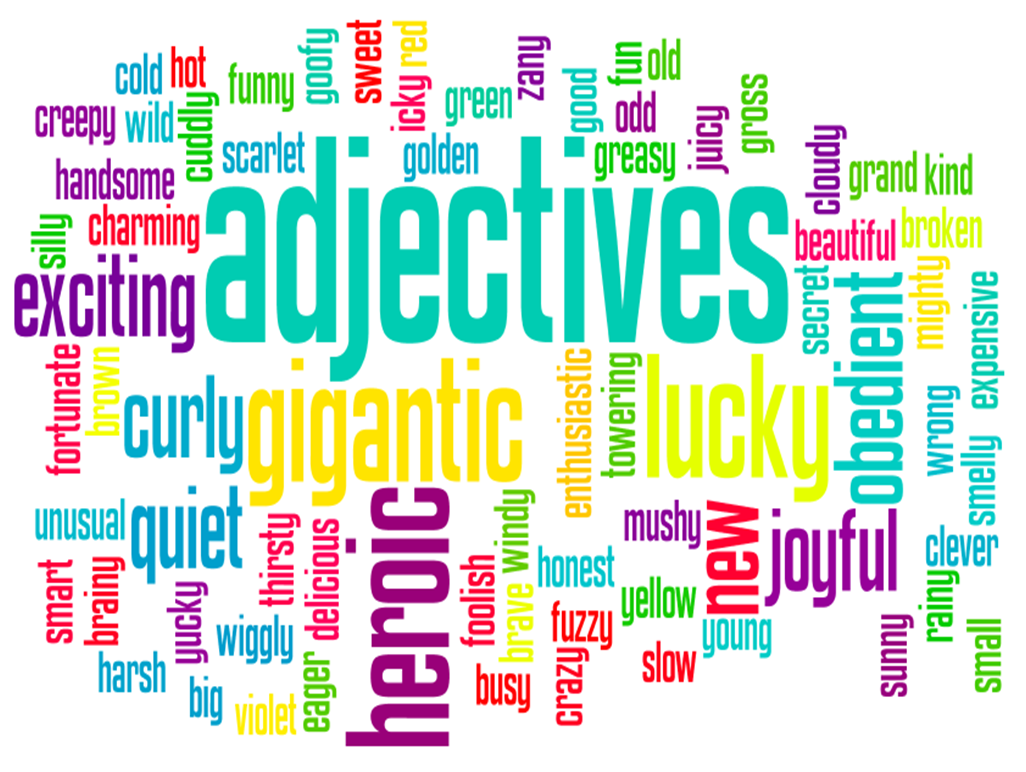
Resultado de imagen de adjectives in english picture
  • Adjectives normally go before the noun in English
    • I have a French car.
    • She has an expensive computer
    • We have a small house. 
  • Adjectives don't change for singular or plural.
    • They are very tall. He is very tall.

lunes, 19 de noviembre de 2018

REGULAR AND IRREGULAR PLURALS


REGULAR PLURALS

SINGULAR
PLURAL
SPELLING
A BOOK
A KEY
 BOOKS
KEYS
 Add –s
A WATCH
A BOX
WATCHES
BOXES
Add –es after ch, sh, s, x
A COUNTRY
A DICTIONARY
COUNTRIES
DICTIONARIES
Consonant + y > ies


  • Add -s (or -es or -ies) to make plural nouns: 
It's a pen. They're pens

  • Don't use a / an with plural nouns:
They're keys. 


IRREGULAR PLURALS


SINGULAR
PLURAL
 a man
men
a woman
women
a child
children
a person
people


Resultado de imagen de PLURAL OF WOMAN


A / AN


  • Resultado de imagen de a / an
  • Remember to use a / an with things in the singular.


I have a car
I have an iPod


  • a / an are used for female and male
My sister has a boyfriend
I have a girlfriend

  • When the number isn't important, use a.
They have a house in Spain

  • Use one only when the number is important.
They only have a car, not two.

  • a is only singular
They're keys

*Be careful with the pronunciation of a / an. Put the stress on the noun. 


EXERCISE 1

EXERCISE 2


miércoles, 14 de noviembre de 2018

POSSESSIVE ADJECTIVES

POSSESSIVE ADJECTIVES
Resultado de imagen de possessive adjectives

Be careful with his, her, its and their.

Use his, her and their for people.

  • That is his / her / their book

Use its for things

  • Oxford is famous for its university
  • Oxford and Cambridge are famous for their universities

martes, 21 de noviembre de 2017

COMPARISON OF ADJECTIVES

COMPARISON OF ADJECTIVES

When comparing two things and giving opinions, we often use comparative adjectives. 

Imagen relacionada


When we compare more than two things, we use the superlative form of adjectives. 


Imagen relacionada


EXERCISES: 


domingo, 29 de octubre de 2017

WISH CLAUSES


Resultado de imagen de WISH CLAUSES BACHILLERATO

Las wish clauses son oraciones que utilizamos para expresar el deseo de que algo pase o hubiese pasado.  Se traducen por "ojalá... De hecho "wish" significa como verbo, desear, y como sustantivo, deseo. Su uso cambia según le acompañe en la oración una forma verbal en Past Simple, Past Perfect (had(n't) + participio), o would + infinitivo. 

A continuación, veremos los anteriores casos debidamente explicados: 

🙋I wish + Past Simple tiene dos usos:

1. Cuando expresamos un deseo para el presente, es decir, queremos que nuestra situación actual cambie. Ejemplos:

Sara está haciendo un examen de inglés y no sabe cómo se dice "chatear" Me pregunta a mí pero yo no se lo quiero decir. En ese momento ella diría:

"I wish I had (pasado de have) a dictionary." (Ojalá tuviera un diccionario.)

2. También se usa "I wish" + Past Simple cuando una situación en el presente no nos gusta y quisiéramos cambiarla. Por ejemplo:

Cintia se ha enfadado con Brenda porque ésta no la quiso ayudar a estudiar la pasiva. En tal caso, Brenda, que está muy triste porque Cintia no le habla, diría:

"I wish we were friends again." (Ojalá fuéramos amigas de nuevo.)

🙌I wish + Past Perfect

I wish + Past Perfect (had(n't) + participio) se refiere al pasado. Normalmente se usa para expresar lamento o queja por una acción pasada. Ejemplo:

"I wish I had studied harder." (Ojalá hubiese estudiado más. No ha estudiado, así que lamenta o se queja de una acción pasada.)

Una chica que acaba de bajar a la calle para encontrarse con sus amigos se da cuenta de que hubiese sido mejor bajar el abrigo porque está empezando a hacer frío.

"I wish I had taken my coat with me." (Ojalá me hubiese traído el abrigo.)

🙋I wish + would + infinitive

Expresa malestar o enfado por la situación presente y nuestro deseo de que cambie en el futuro. Ejemplos:

Rubén me está preguntando cosas todo el rato en los exámenes y a mí eso me pone nerviosa, así que digo:

"I wish he wouldn't ask me so often during the tests." (Ojalá no me preguntara tan a menudo durante los exámenes.)

☝¿Cuál es la diferencia entre wish + Past Simple y wish + would si ambos se refieren al presente? La diferencia es que en el primer caso, el hablante se encuentra triste o decepcionado, mientras que en el segundo caso la persona que habla está molesta, irritada o enfadada.

💣EXERCISES ON WISH CLAUSES